
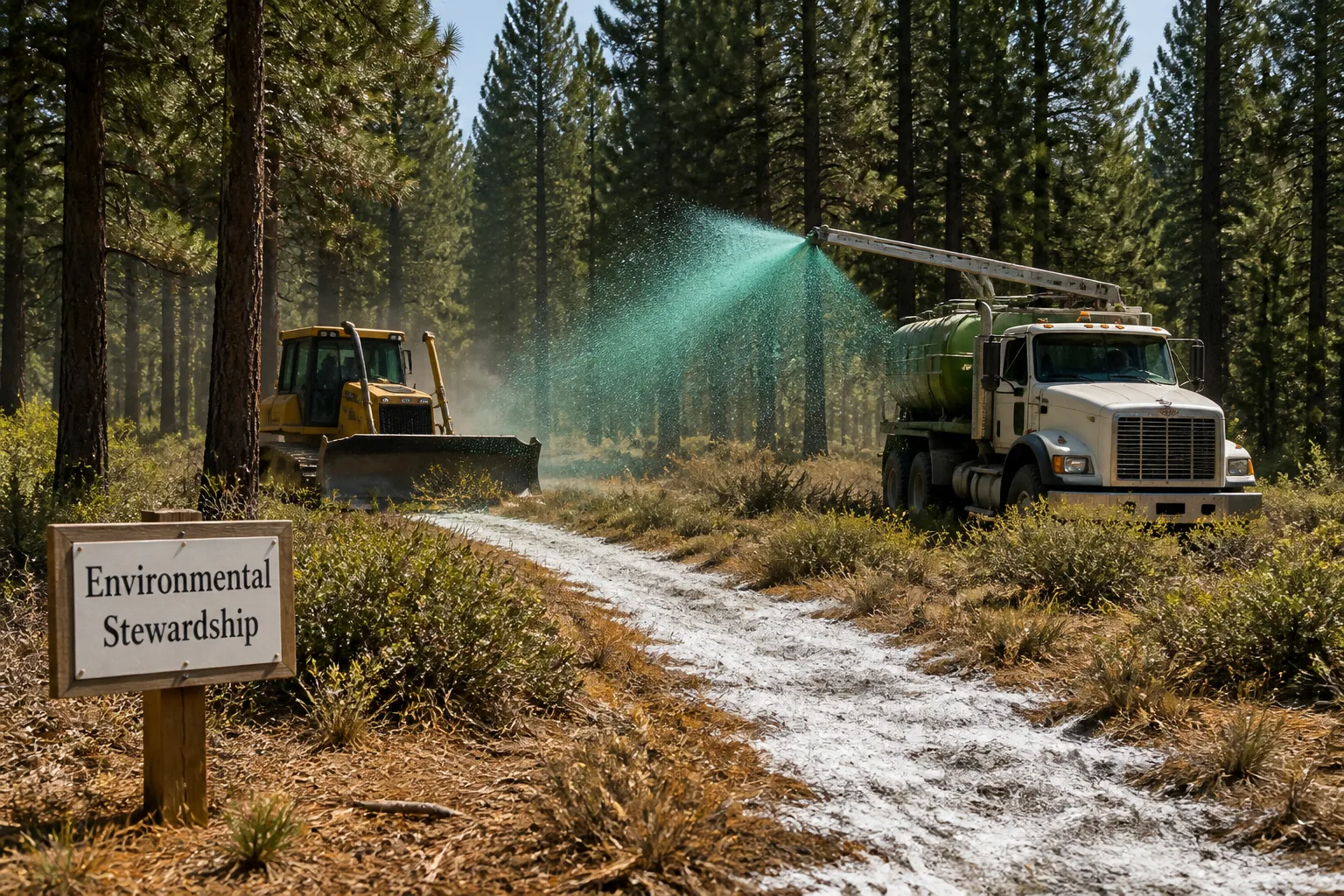
California Bill AB 2410 Aims to Speed Fuel-Reduction Work in High-Risk Wildfire Zones
Assembly Bill 2410 (AB 2410) was introduced by Assemblymember Stan Ellis to fast‑track the removal of dead brush and trees in California’s most wildfire‑prone areas. The bill would exempt critical fuel‑reduction projects from the Coastal Development Permit (CDP) process, a regulatory step that can add years to a project’s timeline.
The proposal follows Governor Gavin Newsom’s emergency proclamation that temporarily suspended the California Environmental Quality Act (CEQA) for wildfire‑related projects. According to Ellis, the proclamation allowed more than 400 wildfire‑safety projects to receive approval statewide within as many as 30 days. “If you got a fuels fire hazard problem, you shouldn’t have to spend three years with CEQA to get a permit to go in and clear the brush,” Ellis said.
Under AB 2410, projects that meet the criteria for fuel reduction—such as controlled brush clearings and back burns—would no longer need to secure a CDP before beginning work. The bill therefore removes a significant regulatory hurdle that has historically delayed or halted vegetation‑management efforts along California’s coast and in other vulnerable regions.
The legislation is still in the legislative process. If Governor Newsom signs the bill, the exemption would remain in effect until January 1, 2030. The bill’s proponents argue that faster removal of flammable vegetation will reduce the likelihood of catastrophic fires, a concern that has intensified in recent years. California’s wildfire history—including the 2023 season that burned over 330,000 acres and the 2025 Southern California fires that destroyed more than 18,000 homes—highlights the urgency of such measures.
The California Attorney General’s Office has been contacted to determine whether AB 2410 conflicts with CEQA requirements. No response has been received to date. An environmental group was also asked for comment on the bill, but no statement was forthcoming.
The bill’s focus on fuel‑reduction aligns with broader state initiatives to address wildfire risk. Governor Newsom’s administration has already allocated funds for forest and vegetation management and has extended fast‑track programs for wildfire‑safety projects. AB 2410 would provide a legal framework to streamline the execution of those projects.
While the bill is designed to accelerate wildfire mitigation, critics have raised concerns about potential environmental impacts. The Coastal Development Permit process is intended to protect coastal resources, and its exemption could affect habitat and public access. The California Environmental Quality Act, which requires environmental impact assessments for public projects, is a key tool for ensuring that such projects do not cause undue harm.
As of now, AB 2410 remains a proposal. Its passage would represent a significant shift in how California balances wildfire prevention with environmental oversight. The bill’s future will be closely watched by state agencies, environmental groups, and communities that live in high‑risk fire zones.
The legislation is part of a broader pattern of emergency measures taken by California’s government to address the escalating wildfire threat. Whether the bill will be enacted and how it will interact with existing environmental regulations remains to be seen.