
California Poison Control Issues Warning After Utah Death Linked to Synthetic Kratom Tablets
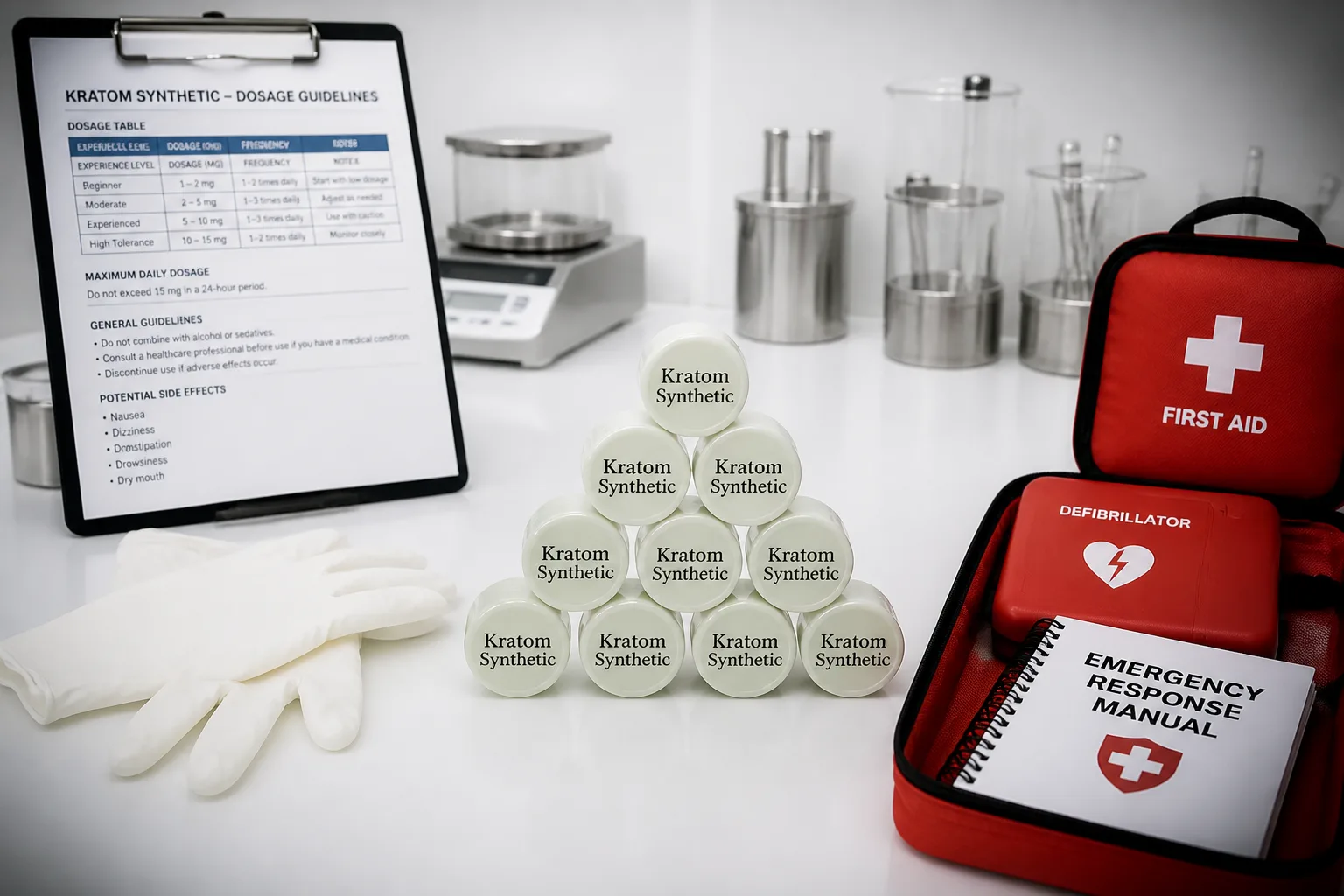
California Poison Control (CPC) has issued a public warning about a new wave of synthetic kratom products that contain chemicals up to ten times more potent than morphine. The alert follows a death investigation in Utah that traced the fatality to a mislabeled “Buzzers Cat’s Claw” tablet.
The CPC statement names two brands—Buzzers and Homiez—as carriers of the dangerous synthetic alkaloids. Officials caution that other products marketed as kratom may also be contaminated. The agency urges consumers to verify supplement contents and to consult a medical professional if they are using kratom for pain management.
Kratom, derived from the leaves of Mitragyna speciosa, has been used in Southeast Asia for centuries. Its primary alkaloids, mitragynine and 7‑hydroxymitragynine, bind to opioid receptors and can produce analgesic and mild stimulant effects. However, the safety profile of kratom is unclear, and the U.S. Food and Drug Administration has warned that there is no evidence that kratom is safe or effective for treating any condition.
In 2019, the FDA issued warnings to several manufacturers over false claims that kratom could treat or cure opioid addiction. The agency has also highlighted the risk of respiratory depression, seizures, and liver injury when kratom is used in high doses or combined with other substances.
The synthetic compounds found in the Buzzers and Homiez products are believed to be derivatives of 7‑hydroxymitragynine, a naturally occurring alkaloid that is significantly more potent than morphine. While the exact chemical structures have not been publicly disclosed, officials confirm that the potency exceeds that of morphine by a factor of ten.
The Utah Department of Agriculture and Food (UDAF) and the Utah Poison Control Center (UPCC) issued a separate warning after investigators linked a death in Utah County to the Buzzers Cat’s Claw tablets. The tablets were sold in local retailers under a misleading label that suggested they were a traditional herbal remedy. The investigation is ongoing, and authorities are examining additional health incidents associated with the same product.
California’s Poison Control System has noted an increase in kratom‑related calls. According to a preliminary analysis by the system’s medical director, the volume of calls has risen in parallel with national reports. The CPC is reviewing its data to determine whether the spike is related to the emergence of synthetic analogues.
The state’s approach to kratom remains largely unregulated. Because federal law does not classify kratom as a controlled substance, California has left the decision to its own public health agencies. The CPC’s warning is part of a broader effort to protect consumers from unverified health claims and potential contamination.
Doctors and pharmacists have urged patients to check the labeling of any supplement and to seek professional advice before using kratom, especially for pain management. The CPC’s statement emphasizes that the presence of potent synthetic alkaloids can increase the risk of overdose and other serious health effects.
The incident in Utah underscores the potential dangers of mislabeled or counterfeit herbal products. While kratom itself is not illegal in California, the emergence of synthetic derivatives that mimic opioid potency raises new public‑health concerns.
At this time, the CPC has not identified any specific regulatory action beyond the public warning. The agency will continue to monitor the situation and provide updates as more information becomes available.
The incident highlights the need for greater transparency in the labeling and testing of herbal supplements. Consumers are advised to purchase products from reputable vendors that provide third‑party lab testing results.
The state’s public‑health agencies, including the California Department of Public Health, are coordinating with federal partners to track the spread of synthetic kratom analogues and to develop guidelines for safe use.
The CPC’s warning is a reminder that even widely available herbal supplements can contain substances that pose significant health risks. The agency encourages anyone who has used these products to seek medical evaluation if they experience symptoms such as respiratory distress, severe dizziness, or unusual changes in consciousness.
The situation remains fluid, and authorities are working to determine the full extent of the contamination and to identify all products that may contain the dangerous synthetic alkaloids.
The CPC will issue further updates as investigations progress and as additional data on the prevalence of synthetic kratom analogues become available.