California Coastal Commission Greenlights $1 B Mission Bay Marshland Restoration
On August 20, 2026, the California Coastal Commission approved the De Anza Natural wetlands restoration plan for Mission Bay, clearing the way for a 500‑acre overhaul that will expand marshland from 80 to about 260 acres over the next 20 years.
The plan covers the northeast corner of Mission Bay—including the Mission Bay Golf Course, De Anza Cove, Campland on the Bay, the Kendall‑Frost Marsh Reserve, Rose Creek, sports fields, a tennis complex, parking lots and beaches—and will replace existing land and infrastructure with restored salt‑marsh habitat. The project is expected to cost roughly $1 billion and will require the relocation of some recreational facilities, including parts of Campland.
San Diego City Councilmember Joe LaCava said the project represents “the biggest transformation of Mission Bay since it was created in the late 1940s.” According to LaCava, the northeast corner is the only area where the city can expand marshland without disrupting the entire park. The plan will move some Campland sites to make room for additional wetlands.
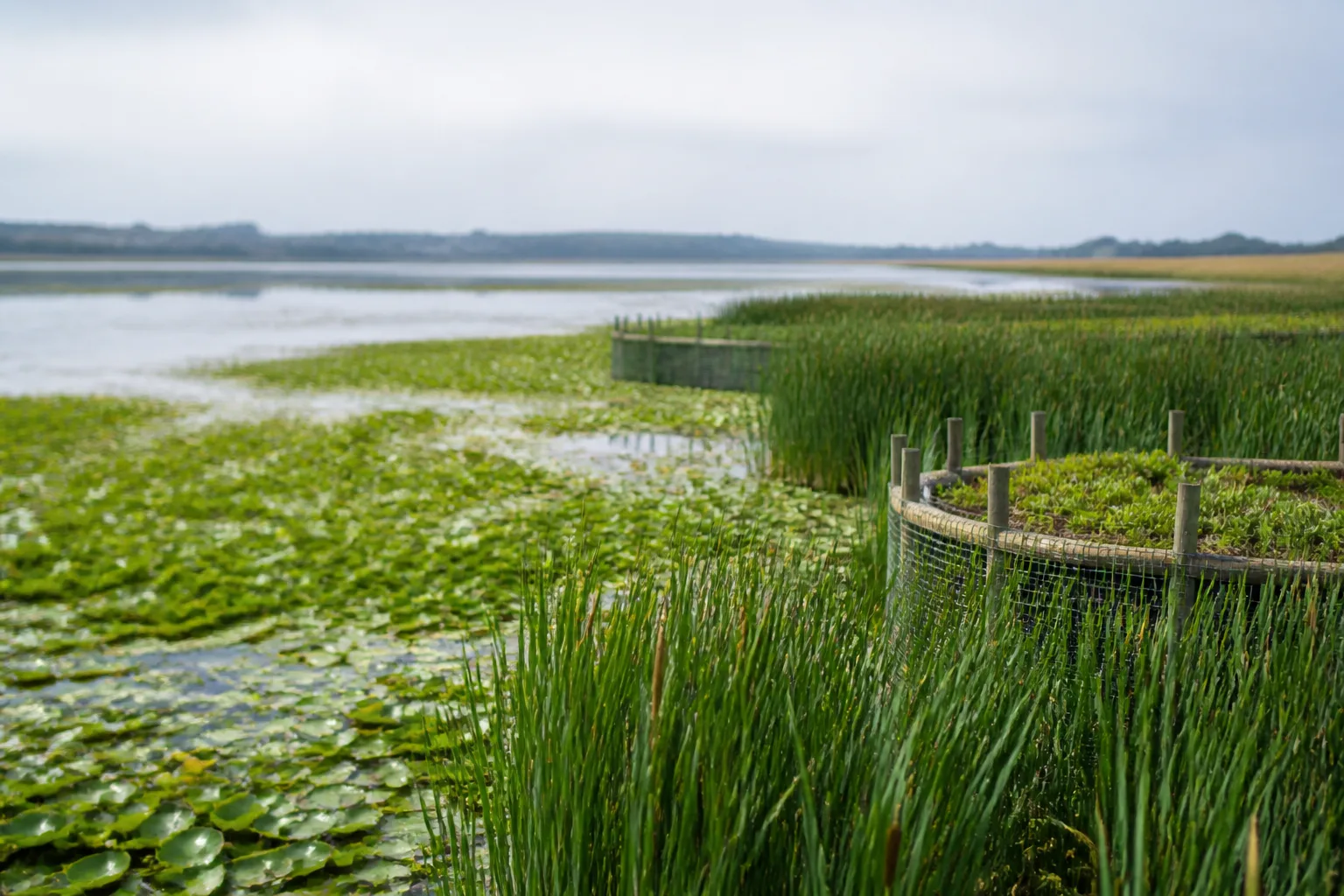
Environmental groups have long advocated for the restoration. Andrew Meyer of the San Diego Bird Alliance explained that the change will increase marshland from 80 to about 260 acres, the same extent of habitat the Kumeyaay people used for thousands of years. The wetlands will serve as a natural water filter, provide breeding grounds for endangered species, and act as a buffer against sea‑level rise.
Mission Bay itself is a man‑made saltwater bay created from roughly 2,000 acres of historic wetland, marsh and bay habitat in the 1940s. The surrounding Mission Bay Park is the largest municipally owned park in the United States, covering 4,235 acres. The park has long been a popular spot for water sports, camping, cycling and dog‑walking.
The De Anza Natural plan is part of a broader effort to balance recreation with climate resilience. The California Coastal Commission, which regulates land use along the state’s 1,100 miles of coastline, has stated that the project will protect and enhance coastal resources while preparing for future environmental changes.
The project’s timeline mirrors the original Mission Bay construction, which took 14 years. The new restoration is projected to take 20 years, with phased construction and monitoring. The plan will also include new recreational amenities, such as upgraded playgrounds and volleyball courts, as noted in recent proposals for Fiesta Island.
Funding remains a challenge. The $1 billion price tag will likely come from a mix of state and local sources, as well as potential federal grants. The city has already faced budget constraints, having closed public restrooms around Mission Bay during a summer to cut costs.
The approval was welcomed by environmental advocates, who view the restoration as a long‑term solution for the cove. However, some residents expressed concern about the loss of existing recreational spaces and the cost of relocating facilities.
The De Anza Natural project is the latest in a series of Mission Bay upgrades, including new parks and habitat preserves on Fiesta Island and the renovation of the Mission Bay Yacht Club. The city’s plan is designed to keep the park’s recreational value while restoring the natural ecosystem that once covered the area.
The Coastal Commission’s decision marks a significant milestone for San Diego’s coastal management. The project will not only enhance wildlife habitat and water quality but also provide a living buffer against future sea‑level rise, a priority for California’s coastal communities.
The next steps involve detailed engineering studies, public outreach, and securing the necessary funding. Once those are in place, construction is expected to begin in the coming years, with the first phase of marshland restoration slated for the mid‑2020s.
The De Anza Natural plan demonstrates how California’s coastal policy can combine recreation, conservation and climate resilience in a single, large‑scale project.