Mother Black Bear and Cubs Rescued from Water Tank Near Claremont Wilderness Park
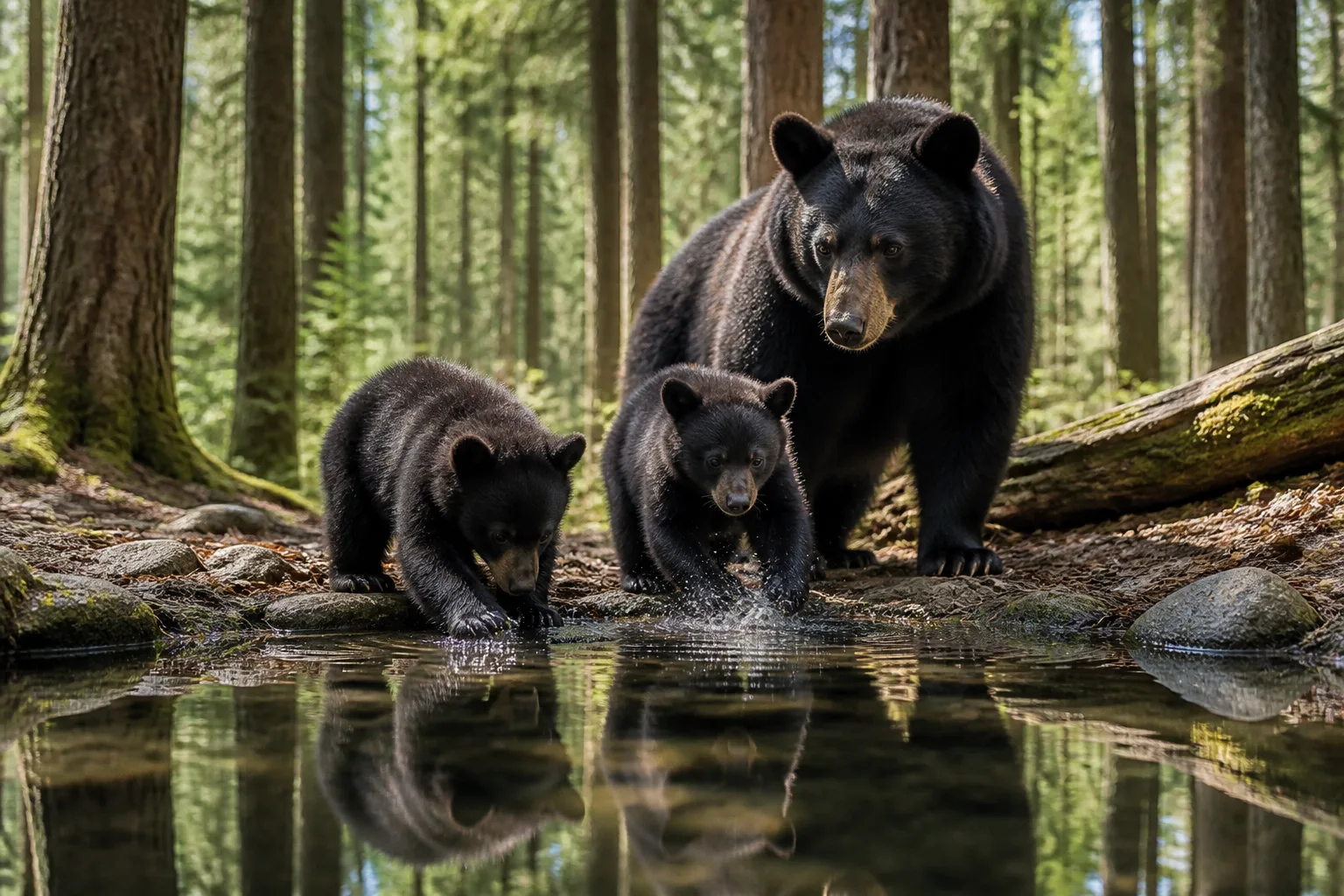
On Saturday, a mother black bear and her cubs were rescued from a water tank near Claremont Wilderness Park in La Verne, California. Runners on the park’s 5‑Mile Loop Trail heard howling from a fire‑department water tank, climbed to investigate, and found the bears struggling to keep their heads above the partially filled tank. One cub had already escaped and was found safe in a nearby tree.
The California Department of Fish and Wildlife (CDFW) and the La Verne Fire Department responded. They drained the tank to keep the mother and remaining cubs from going under, widened an opening at the top, and lowered a ladder, allowing the bears to climb out. All three bears are reported safe, and officials say the tank is now being secured to prevent future mishaps.
According to the CDFW, the rescue was dubbed “Operation Care Bear” after the bears spent more than 12 hours inside the tank. Firefighters, wildlife specialists and volunteers carried out the operation, and the bears were released back into the wild.
Other reports indicate that a third cub was rescued, describing the family as a mother and three cubs. The difference in the number of cubs reported appears to stem from the timing of the rescue and the number of bears visible when the tank was first inspected.
The incident highlights how rising temperatures across Southern California are driving wildlife to seek water sources in hazardous places. The CDFW notes that black bears are increasingly found in urban and suburban areas during heat waves, often searching for water in wells, cisterns and other artificial reservoirs.
The La Verne Fire Department said the tank is a large, partially filled water storage structure used by the department. After the rescue, the department will secure the tank and work with local agencies to identify and secure other unsecured water sources in wildlife‑heavy areas.
The CDFW has issued safety reminders for residents and visitors. The department advises keeping a safe distance from bears, avoiding approaching or feeding them, and reporting unsecured water tanks, pools or wells. It also recommends avoiding loud noises or sudden movements that could startle a bear.
The rescue underscores the importance of wildlife management and public education where human and wildlife habitats overlap. The CDFW continues to monitor bear activity in Southern California and works with local governments to reduce human–bear conflicts. The rescued bears will be monitored for a period to ensure they are healthy and have successfully re‑integrated into their natural habitat.