
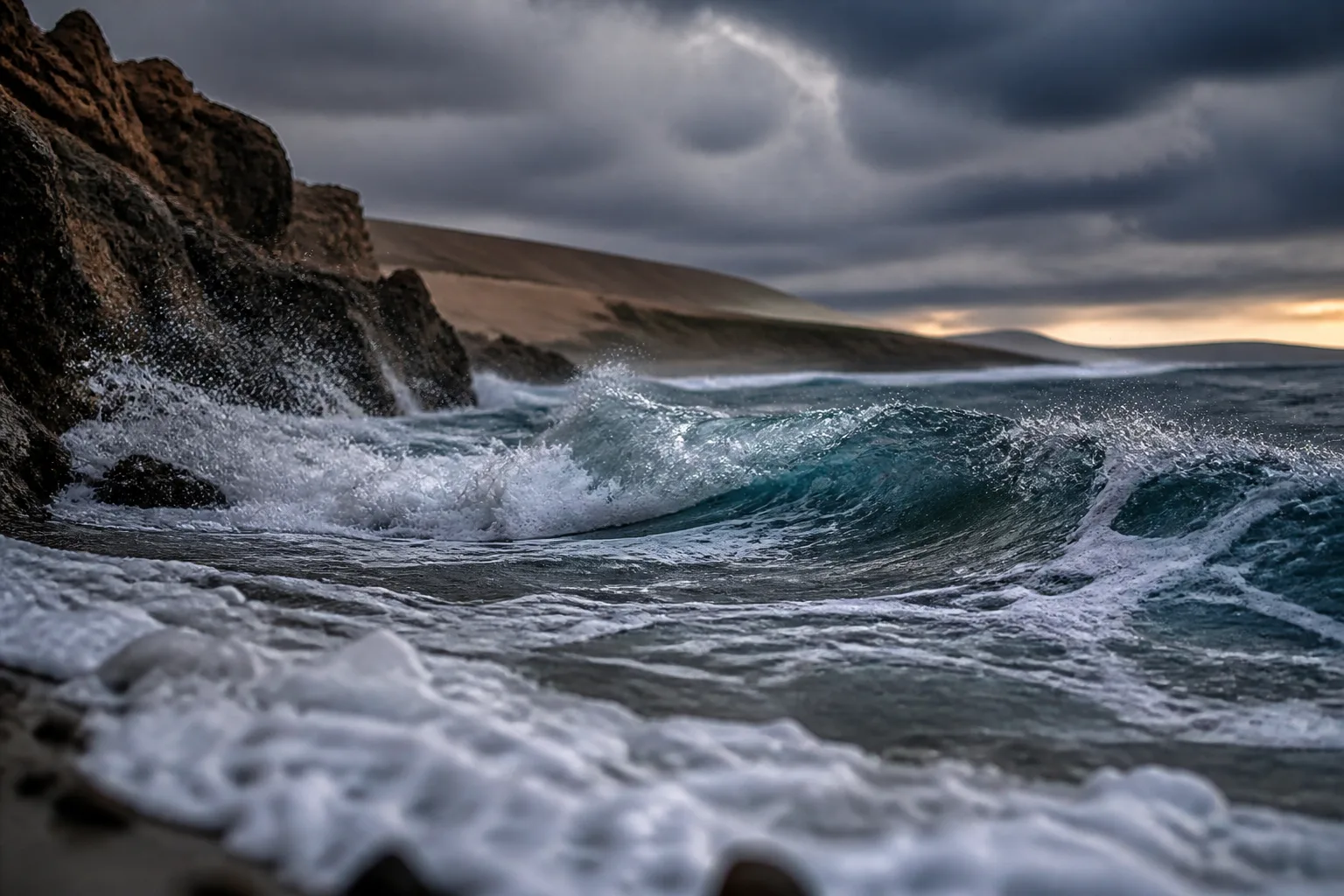
Hurricane Marie Generates 10-Foot Waves and Dangerous Rip Currents Along Southern California Beaches
On Labor Day weekend, Hurricane Marie—located hundreds of miles offshore in the eastern Pacific—produced 10‑foot (3‑meter) surf and hazardous rip currents along the Southern California coast. The National Weather Service (NWS) warned that the storm’s powerful swells were creating life‑threatening conditions, prompting beach closures and health advisories in Los Angeles and Orange County.
The NWS’s Los Angeles Weather Forecast Office, led by meteorologist Rose Schoenfeld, reported that Marie’s energy was churning the ocean far from the coast. "We’re getting reports from lifeguards that the surf conditions are very dangerous, specifically the rip currents," Schoenfeld said. She noted that some south‑facing beaches were experiencing waves up to 10 feet high and that the storm would not make landfall but would still bring rain to parts of Los Angeles County.
Rainfall from Marie’s remnants was already evident on Sunday. "Some parts of the area have already seen as much as a quarter inch of rain," Schoenfeld said. The National Hurricane Center (NHC) added that dangerous beach conditions were expected to last for another couple of days.
In response to the hazardous conditions, Long Beach’s city health officer issued a three‑day advisory on Sunday urging residents and visitors not to swim at any of the city’s beaches or bays. The advisory cited the risk of runoff from storm drains and rivers, which could create unhealthy water conditions.
Seal Beach, a coastal city in Orange County, announced that it would close two beachfront parking lots until Wednesday morning to protect life and property during the anticipated elevated surf and coastal flooding. The municipal pier remained open.
Newport Beach’s lifeguard battalion chief, Adam Yacenda, reported that the beach’s lifeguards carried out 177 rescues on Saturday. "Any time you’re approaching over 100, that’s a busy day," Yacenda said. He emphasized that only experts should venture into the waves, noting that strong currents were moving along the shoreline and out to sea, with very strong rip currents. "We are red‑flag conditions from one end of our beach to the other," he added.
The storm’s impact extended beyond the surf. Coastal flooding was reported along beaches, bike paths, roads, and low‑lying neighborhoods. In Long Beach, flooding and high surf were documented in parking lots, and the city experienced rare September rain that contributed to coastal flooding.
The NWS advised people to swim only near lifeguards and to stay off rock jetties. The NHC’s forecast indicated that Marie would weaken to a tropical storm by late Sunday but would still bring rain to parts of Los Angeles County before dissipating.
California state officials and local governments are monitoring the situation closely. The California Department of Transportation has been on standby to address potential road closures, while the California Department of Public Health is coordinating with local health departments to monitor water quality.
The incident underscores the broader pattern of late‑season tropical systems affecting Southern California. While the state’s coastal communities are accustomed to high surf, the combination of large waves, strong rip currents, and rainfall from a distant hurricane is a rare and potentially dangerous scenario.
As the storm continues to move offshore, residents and visitors are urged to heed official advisories, avoid swimming in unmonitored areas, and stay informed through the NWS and local government channels.
The current situation remains fluid. The NWS and NHC will continue to update forecasts and advisories as Hurricane Marie weakens and its remnants move farther from the coast.