
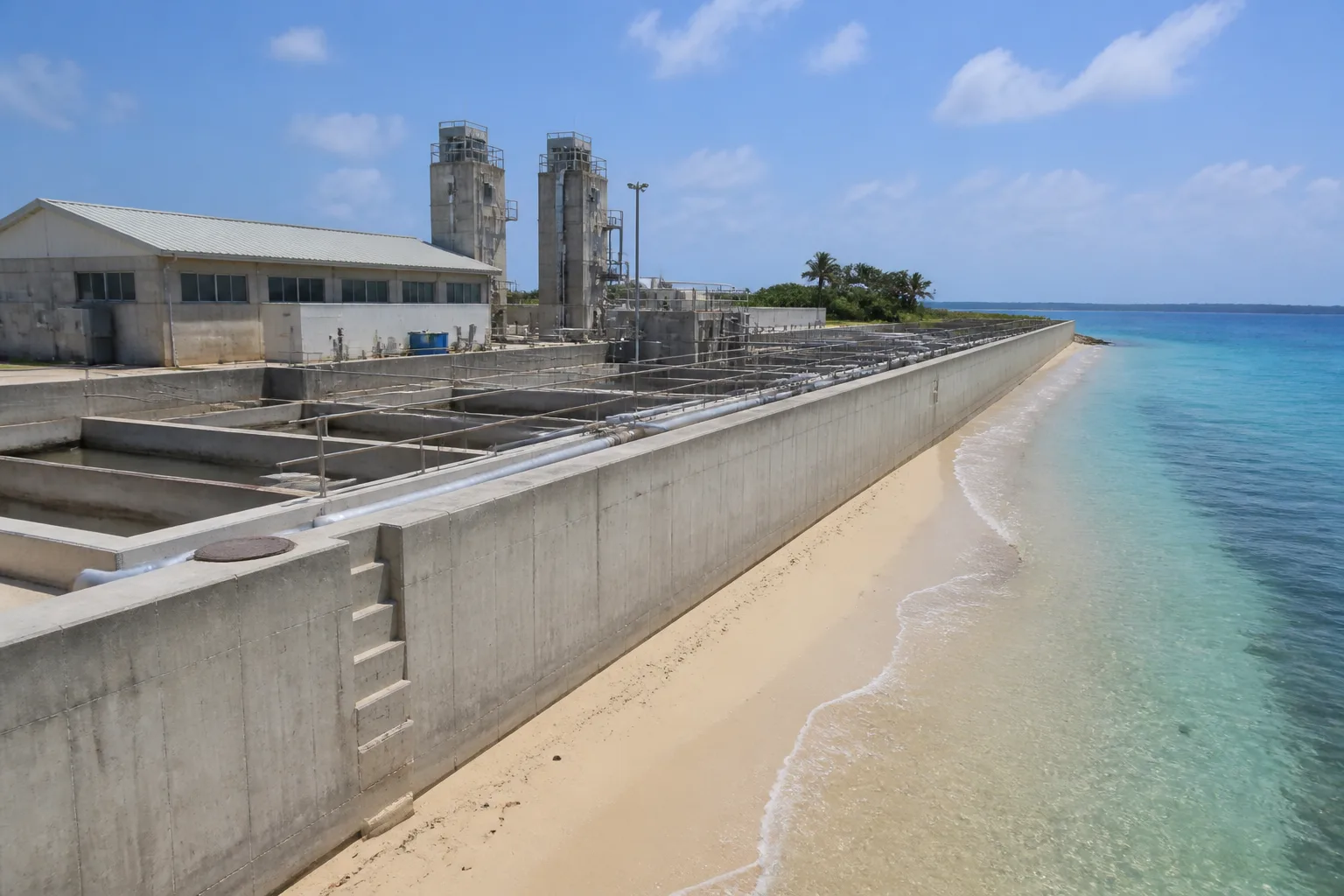
San Francisco Approves 3,200-Foot Seawall to Protect Ocean Beach Sewage Plant
In a decision that will reshape the south end of Ocean Beach, the California Coastal Commission granted final approval in 2024 for a $175 million concrete seawall that stretches 3,200 feet and plunges 55 feet below the water line. The wall is slated to begin construction in late 2027 and is designed to shield the city’s wastewater treatment plant, which discharges 12.5 million gallons of sewage into the Pacific each day.
The plan follows a decade of relentless erosion at Ocean Beach’s southern tip. Every year, the city pours millions into sand replenishment, only to see the new sand wash away within months. In 2021, the city spent $13 million importing offshore sand, and the Coastal Commission estimates that each future replenishment could cost at least $1 million.
Scientists and local researchers have warned that the seawall could accelerate the very problem it intends to solve. Four Ocean Beach scholars—Chase Davenport, Patrick Barnard, Bob Battalio, and Jeff Hansen—are preparing a paper that argues the existing road, landfill, and large rocks at the south end are major drivers of the beach’s narrowing. They contend that the seawall would leave the city with only two options: keep pumping millions into sand replenishment or allow the beach to erode.
Davenport, an Outer Sunset surfer and founder of the Ocean Beach Institute, said, “I’m sure we’ll go down a geoengineering path over the next 50 years, trying to keep our rigid coastlines. But over time, we need to accept that we can’t control a force like the Pacific Ocean.”
Barnard, a UC Santa Cruz researcher who has studied the shoreline for two decades, explained that human activity has altered sediment transport for more than 200 years. He cited data from the Gold Rush era, when mining released large amounts of sand into the bay, and noted that subsequent damming and marsh filling reduced the natural flow of sediment to the ocean.
Battalio, a coastal engineer who has surfed Ocean Beach since the 1990s, argues that the 1970s deepening of the shipping channel cut through the offshore bar, displacing sand that now accumulates at the north end of the beach. He noted that waves deposit sand in the center of the beach, where currents move it northward and trap it on the rocky headland. The south end, with weaker waves, loses sand to the ocean.
Opponents of the seawall include surfers, fishermen, and beach walkers. Surfer Bill McLaughlin said that if the wall causes the beach to disappear, waves crashing directly on the wall would create chaotic chop and perilous conditions. He added, “We were trying to make sure that the beach just doesn’t erode and go away. Then surfers are stuck jumping off of a vertical wall to get into the ocean, and that’s not safe.”
The city’s decision departs from the 2012 Ocean Beach Master Plan, which had called for dune restoration, relocation of some infrastructure, and a smaller buried seawall. That plan had projected a cost of $350 million. In 2024 the Coastal Commission approved the larger, more invasive structure, sparking criticism that it sets a precedent for other erosion‑prone areas.
San Francisco Public Utilities Commission spokesperson Nancy Crowley defended the move, saying the city’s core responsibility is to keep wastewater safely transported for treatment. She noted that the city has spent many years studying the coast’s dynamics.
The master plan also anticipates up to 55 inches of sea‑level rise by 2100, which would add pressure to beachfront development. Zoo spokesperson Nancy Chan said the zoo will continue to monitor environmental changes as the seawall takes shape.
The project’s long‑term cost to taxpayers remains unclear. In addition to the initial $175 million, the city would need to add sand if the beach narrows beyond set thresholds and repair damage if waves expose the wall. The Coastal Commission estimates that each sand replenishment could cost at least $1 million.
The debate over the seawall underscores a broader question about how California manages its coastlines. If the mystery behind Ocean Beach’s transformation remains unsolved, Davenport and his colleagues argue that the city and state must treat erosion as part of a wider regional system rather than an isolated problem.
As the city moves forward, the seawall’s impact on beach access, surf quality, and the local ecosystem will be closely watched. The decision reflects the tension between protecting critical infrastructure and preserving the natural dynamics that have shaped California’s coast for centuries.