
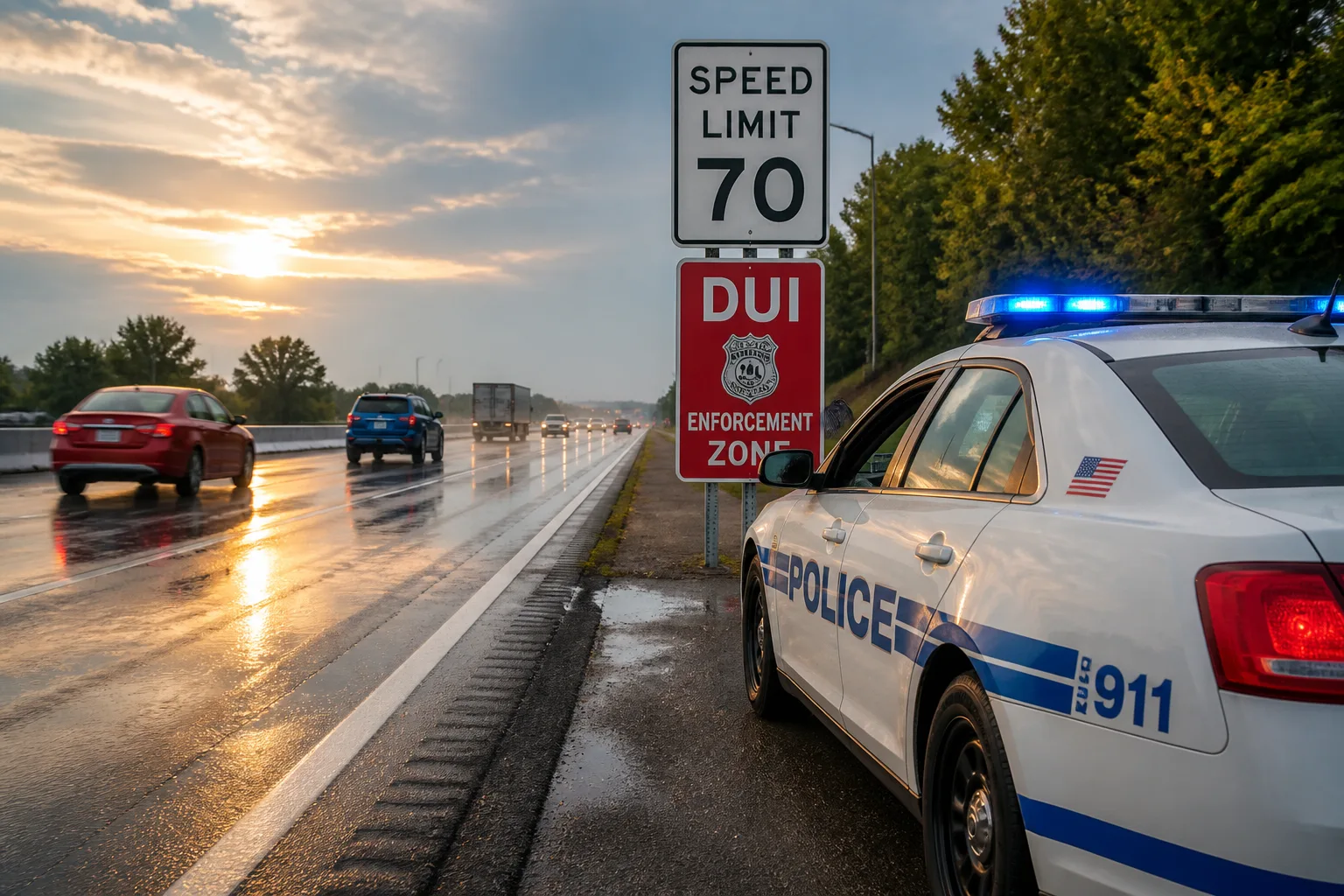
California Highway Patrol Launches 78-Hour July 4 Enforcement Period to Curb Speeding and DUI
California Highway Patrol has announced a 78‑hour Holiday Enforcement Period (HEP) that will run from Thursday, July 2 at 6 p.m. through Sunday, July 5 at 11:59 p.m. The initiative focuses on curbing speeding and driving‑under‑the‑influence (DUI) incidents on state highways during the Independence Day weekend.
During the same 78‑hour window last year, the CHP logged more than 870 speed‑related crashes, seven of which claimed lives and nearly 400 injured. In addition, the agency made 1,311 DUI arrests—an average of one arrest every 3.5 minutes—underscoring the heightened risk that accompanies holiday travel.
A CHP spokesperson urged drivers to slow down and stay alert, noting that "Speeding and impaired driving are the leading causes of fatal crashes on our roads, especially during the busy July 4 weekend."
The CHP, California’s principal state police agency, was established in 1929 as a branch of the Division of Motor Vehicles and became a separate department in 1947. Today it operates under the California State Transportation Agency and employs 11,000 staff, including more than 7,600 sworn officers, making it the largest state police agency in the United States.
Its mission is to provide the highest level of safety, service, and security. Beyond highway patrol, the CHP protects state buildings, guards officials, and assists local and federal law‑enforcement agencies.
To help Californians stay safe, the CHP has issued several practical tips for the holiday weekend:
Plan ahead and designate a sober driver before celebrations begin. Use a rideshare service, taxi, or public transportation if you have been drinking. Host responsibly and ensure guests have a safe way home. Never drive under the influence of alcohol, cannabis, or other impairing substances. Always wear your seat belt; it remains one of the most effective ways to reduce injuries and save lives in a crash. If someone is about to drive impaired, speak up, take the keys, and help them get home safely. * Call 9‑1‑1 to report a dangerous driver.
California’s seat‑belt law requires all occupants eight years of age or older to wear a belt. The law is a primary enforcement statute, meaning a CHP officer can issue a citation for a seat‑belt violation alone. Seat‑belt use has been linked to a significant reduction in injury and fatality rates.
The HEP is part of the state’s broader strategy to reduce traffic fatalities. According to California’s Office of Traffic Safety, the state’s fatality rate per 100 million miles driven improved slightly in 2025, but serious injury crashes remain high. By concentrating on speeding and DUI during the July 4 weekend, the CHP aims to curb the most common causes of fatal crashes.
During the enforcement period, CHP officers will be on the road in increased numbers, especially on major freeways such as I‑5, I‑10, and I‑15. They will also coordinate with local law‑enforcement agencies to target high‑risk areas.
For drivers traveling across California, the CHP’s message is clear: slow down, stay sober, and buckle up. By following these simple steps, motorists can help reduce the likelihood of a crash and protect themselves and others.
The CHP will continue to monitor traffic conditions and adjust enforcement tactics as needed throughout the HEP. The agency encourages all Californians to exercise caution and to report any unsafe driving they observe.